A Complete Buyer’s Checklist for Apartments in Sarjapur Road (2026)
Introduction
What makes buying in Sarjapur Road harder today is not pricing or availability. It is the number of projects that appear comparable during shortlisting but behave differently once you start evaluating them in detail.
Across similar budget ranges, many developments offer the same configurations, similar amenities, and overlapping price bands. During initial visits, the differences are not always visible. The separation begins only when you look at how the project is structured, how the location functions on a daily basis, and how the home will perform after a few years of use.
This is where most buyers lose clarity. Without a structured way to evaluate, decisions remain influenced by surface-level comparisons. A checklist helps bring consistency to that process, especially in a market where the visible differences are often minimal but the long-term impact is not.
TL;DR
- High supply makes filtering more important than discovery
- Legal verification should come before feature comparison
- Micro-location affects daily life more than expected
- Total cost is typically 10–15% higher than base price
- Metro impact is long-term, not immediate
- Layout efficiency matters more than amenities
Sarjapur Road Market Snapshot (2026)
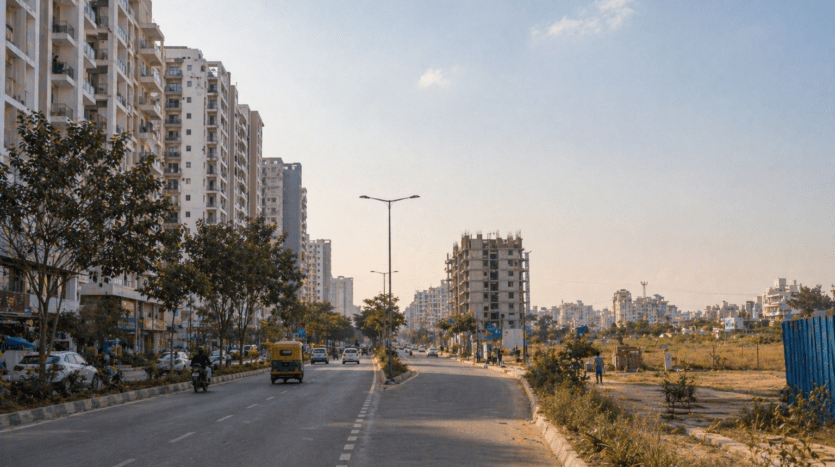
Sarjapur Road has reached a point where supply is high enough to offer multiple options within the same price range, but not all of them deliver the same level of usability or long-term value.
| Segment | ₹/sqft Range | What It Indicates |
| Mid-segment | ₹7,800–9,000 | Value-driven projects with basic planning |
| Grade-A projects | ₹9,500–14,500 | Better layouts, stronger execution |
| Premium/luxury | ₹15,000+ | Location advantage and design focus |
Price appreciation has been steady, supported by infrastructure expansion and employment demand- Rental demand continues due to working professionals relocating closer to work zones
- Project quality varies significantly even within the same segment
In practice, this means buyers are no longer choosing between “good vs bad” projects. They are choosing between options that look similar initially but differ in how they perform over time.
Who Should Buy Here
Sarjapur Road works best when there is alignment between location and daily routine. This alignment is not always obvious during the buying stage but becomes clearer after moving in.
- Buyers working in ORR, Whitefield, or Electronic City tend to benefit from more predictable commute patterns
- Families looking for access to schools and residential infrastructure find this corridor practical
- Long-term buyers are more likely to benefit from gradual infrastructure improvements
It may not work as well if:
- Your workplace is outside these corridors
- You expect immediate infrastructure readiness in developing pockets
- You are planning a short-term hold
After a year or two, mismatch between location and lifestyle becomes more noticeable. Commute time, access to essentials, and daily travel patterns start shaping how convenient the home actually feels.
Setting the Right Budget (Actual Cost)
The base price of flats for sale in Sarjapur Road does not reflect the full financial commitment. Additional costs are often underestimated during the initial stages.
| Cost Component | Typical Range |
| Base price | 100% |
| GST (under construction) | +5% |
| Stamp duty | 5–6.5% |
| Registration | ~1% |
| Amenities & clubhouse | ₹2–5L |
| Maintenance deposit | ₹1–3L |
- A ₹1.5 Cr apartment typically moves closer to ₹1.65–1.7 Cr after all costs are included
- Ready-to-move homes avoid GST but may come at a higher base price
- Interior setup, parking, and utility connections add further costs
Over time, underestimating the full cost can affect liquidity and financial planning, especially if multiple payments overlap during construction stages.
Answer Block
The effective purchase cost is usually 10–15% higher than the listed price. Planning for this difference early helps maintain financial flexibility after purchase.
Choosing the Right Micro-Location
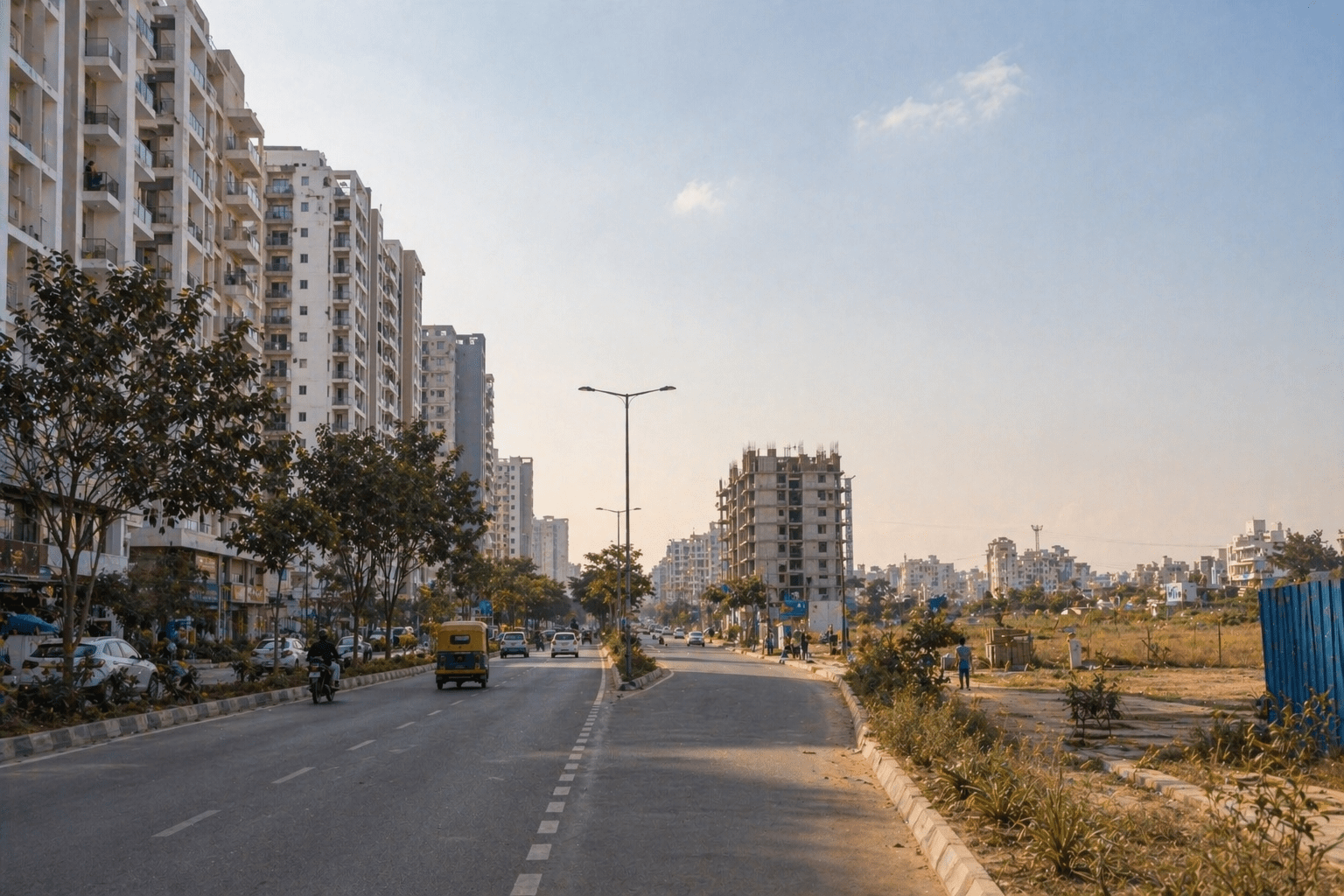
Sarjapur Road consists of multiple micro-markets, each with different levels of development. These differences are not always visible during short visits.
| Micro-Market | ₹/sqft | Growth Trend |
| Sarjapur Main Road | 8,500–9,500 | Stable demand |
| Carmelaram | 7,500–9,000 | Gradual development |
| Dommasandra | 6,500–7,800 | Emerging potential |
| Kodathi | 6,200–7,500 | Early-stage growth |
- Established pockets provide immediate access to schools, healthcare, and daily essentials
- Emerging areas offer more space but depend on future infrastructure
- Availability of services varies significantly across locations
In the first few months, these differences may not seem critical. Over time, they influence how much effort is required to manage daily routines.
Decision Block
Choose established areas if:
- Daily convenience is a priority
- You prefer predictable access to infrastructure
Choose emerging areas if:
- You are planning for long-term growth
- You are comfortable with gradual development
Connectivity and Metro Reality
Connectivity remains one of the most important factors, but expectations need to be aligned with current conditions.
Metro Phase 3A is expected to improve connectivity in the long term, but timelines extend into the early 2030s.
- Current commute patterns depend heavily on road networks
- Peak-hour traffic can significantly extend travel time
- Future metro access may improve connectivity but will not impact immediate routines
In daily life, variability in travel time tends to have a larger impact than distance itself.
Answer Block
Metro development influences long-term value, but current decisions should be based on existing commute conditions rather than future projections.
Legal Checklist You Cannot Skip

Legal validation is one of the most critical steps when evaluating apartments for sale in Sarjapur Road. Many issues only become visible after delays occur.
- Verify RERA registration and project details
- Check Encumbrance Certificate for ownership history
- Confirm A-Khata status and approved plans
- Ensure Occupancy Certificate for ready-to-move units
Projects with incomplete approvals or unclear titles often face delays, which can affect both possession timelines and resale potential.
Answer Block
Legal clarity reduces long-term risk. Verifying documents early helps avoid delays, disputes, and complications during ownership.
What to Look for Inside the Apartment
The apartment itself needs to function efficiently once occupied. This is where planning becomes more important than appearance.
- Layout efficiency determines how usable each space is
- Ventilation and natural light affect comfort over time
- Storage and circulation influence how the home adapts to daily use
In the initial phase, these aspects may not stand out. Over time, they define how comfortable the home feels during regular use.
Developers like SUYUG focus on layouts that support long-term usability, reducing the need for adjustments later.
Long-Term Value and Exit Thinking
Sarjapur Road continues to attract consistent demand, but performance varies across projects.
- Rental demand remains stable due to proximity to work hubs
- Price appreciation depends on infrastructure timelines and project quality
- Well-planned homes retain demand more consistently
After a few years, resale potential is influenced more by usability and location than by amenities or initial pricing.
Final Decision Framework
A structured approach helps simplify the evaluation process.
Decision Framework
- Verify legal approvals before comparing features
- Evaluate location based on daily routine
- Compare usable space rather than total area
- Account for full cost, not just base price
- Prioritise long-term usability
Decision Block
Move forward if:
- Legal checks are clear
- Location supports your daily routine
- Layout fits long-term needs
Reconsider if:
- Decision depends heavily on future infrastructure
- Layout requires adjustments to function
In a market where multiple projects appear similar at first glance, clarity comes from structured evaluation. The homes that continue to work well are usually the ones that hold up across legal, location, and usability factors over time.
FAQs
Prices typically range from ₹7,800 to ₹14,500 per sq ft depending on location and project quality. Established pockets and better-planned developments command higher pricing, while emerging areas offer lower entry points but depend on future infrastructure. This variation directly affects both space and long-term value.
It works well for buyers whose daily routine is connected to ORR, Whitefield, or Electronic City. Over time, the benefit comes from reduced travel dependency and stable demand, but the experience varies significantly based on micro-location within the corridor.
RERA registration, Encumbrance Certificate, Khata status, approved building plans, and Occupancy Certificate are essential. Missing or unclear documentation often leads to delays in possession, legal complications, or difficulty during resale, which usually becomes visible only later.
No, it is currently planned with timelines extending into the early 2030s. While properties near proposed stations may see long-term appreciation, current commute and connectivity should be evaluated based on existing road infrastructure rather than future projections.
They offer stable long-term potential due to consistent end-user demand. However, returns vary based on project quality, layout efficiency, and location. Properties that balance usability and connectivity tend to perform more reliably over time.
Many buyers focus on price, amenities, or configuration without evaluating legal clarity and layout efficiency. This often leads to issues after moving in, where daily usability or delayed approvals start affecting the overall experience.